Who is this course for?
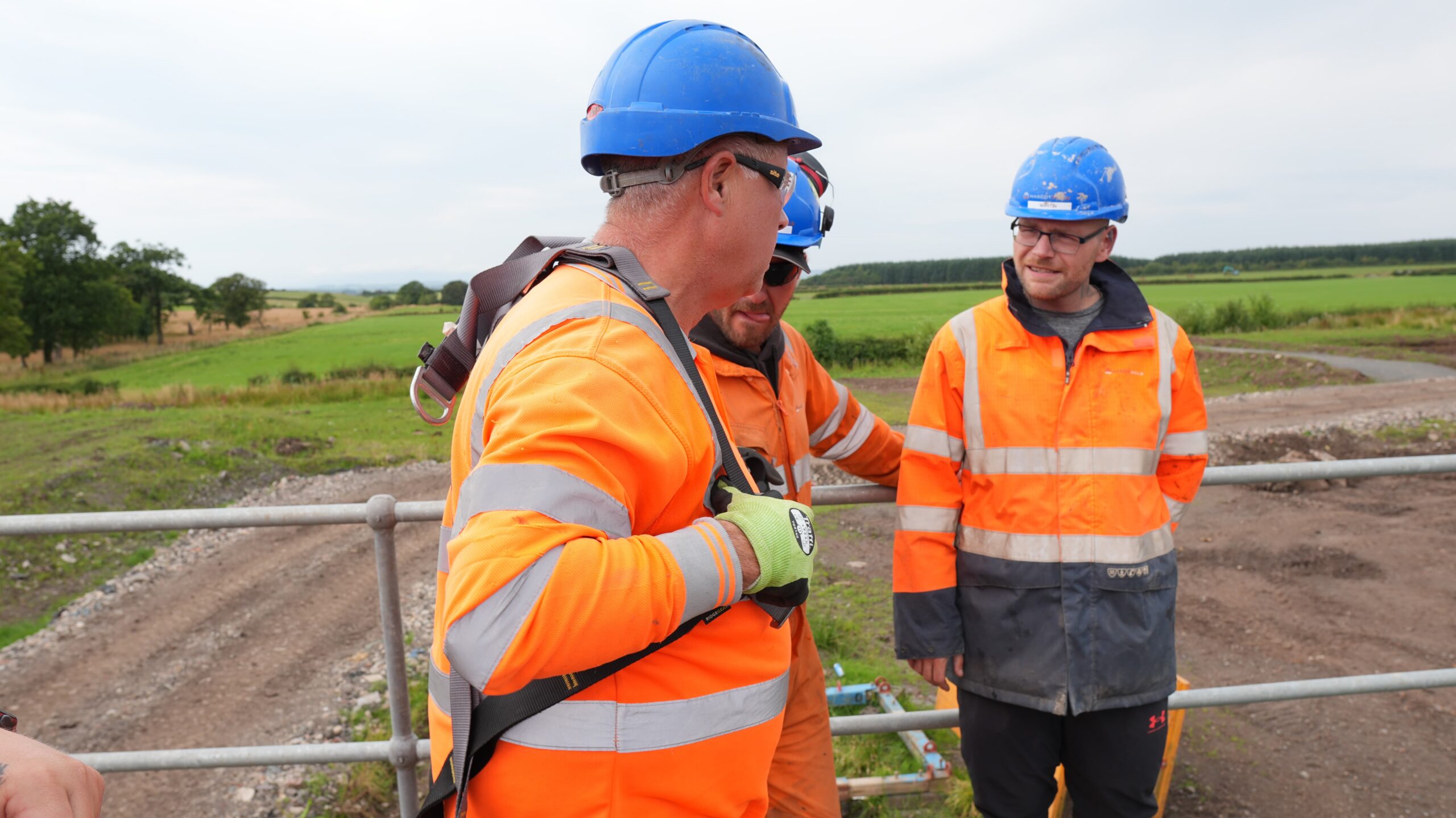
The session is suitable for employees required to wear tight-fitting RPE, including construction workers, engineers, maintenance personnel, manufacturers, painters, cleaners, demolition workers and those exposed to airborne contaminants.
What you will learn?
- Understanding the importance of face fit testing when using tight-fitting respiratory protective equipment (RPE)
- Understanding the difference between tight-fitting and loose-fitting RPE
- Understanding why a correct fit is essential for effective respiratory protection
- Identifying factors that can affect respirator fit, including facial hair, spectacles, facial features and other PPE
- Selecting an RPE model and size suitable for the individual
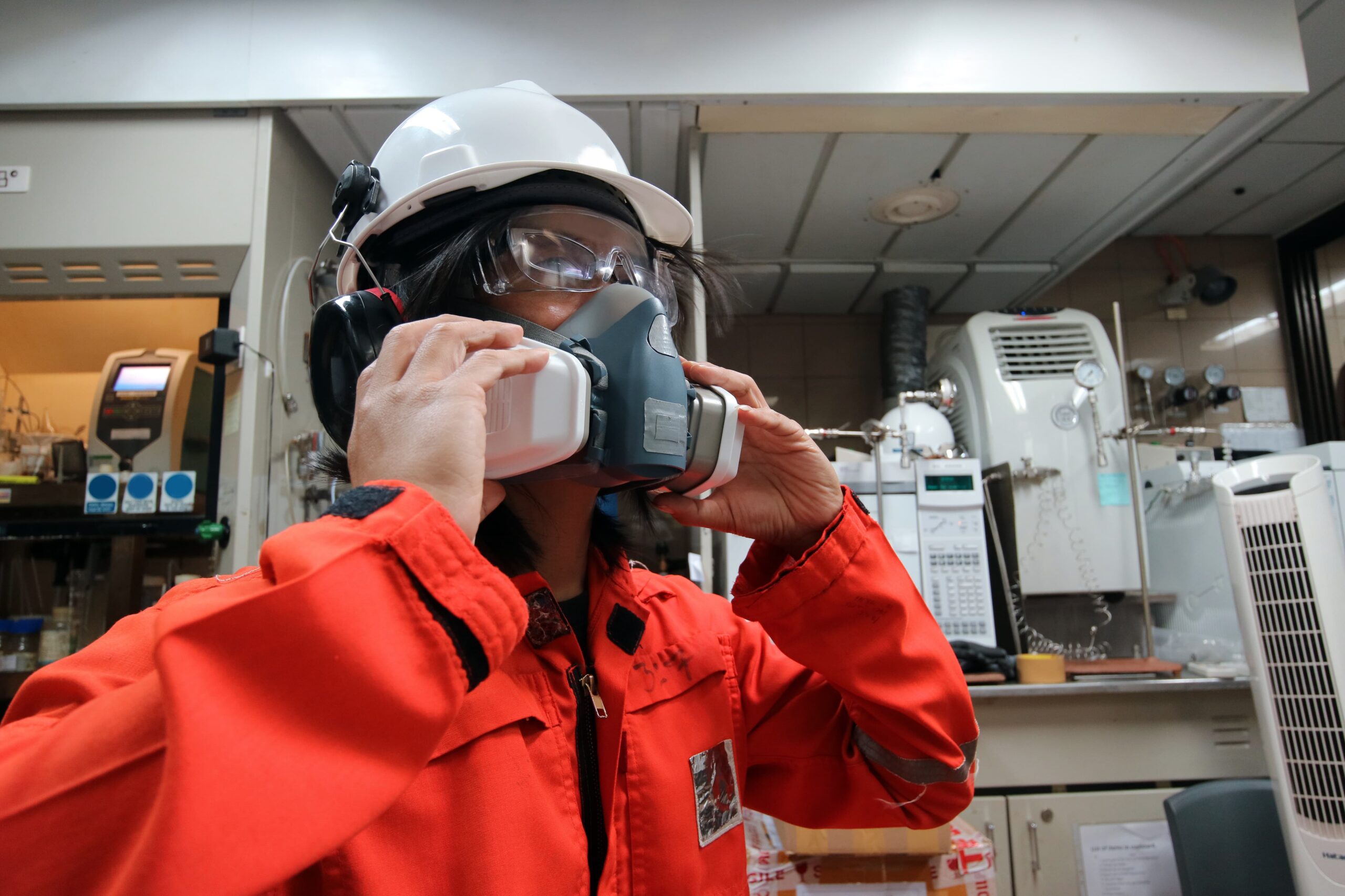
- Correctly putting on, positioning and adjusting a tight-fitting face mask or respirator
- Carrying out appropriate pre-use checks and user seal checks
- Understanding qualitative and quantitative face fit testing methods
- Understanding when face fit testing is required and when it should be repeated
- Recognising circumstances that may invalidate an existing fit test
- Understanding the importance of following workplace RPE procedures and maintaining appropriate records
- Understanding the limitations of face fit testing and the importance of using RPE correctly
Teaching and Assessment
The session covers respiratory protective equipment, the purpose of face fit testing, RPE selection, factors affecting mask fit, facial hair, correct fitting and adjustment, user seal checks and workplace procedures. Delegates undergo the appropriate qualitative or quantitative face fit testing process and learn how to identify an acceptable fit, alongside guidance on cleaning, storage, maintenance and when repeat testing is required.
What you get once complete.
On successful completion, delegates will receive a Face Fit Testing certificate.