Who is this course for?
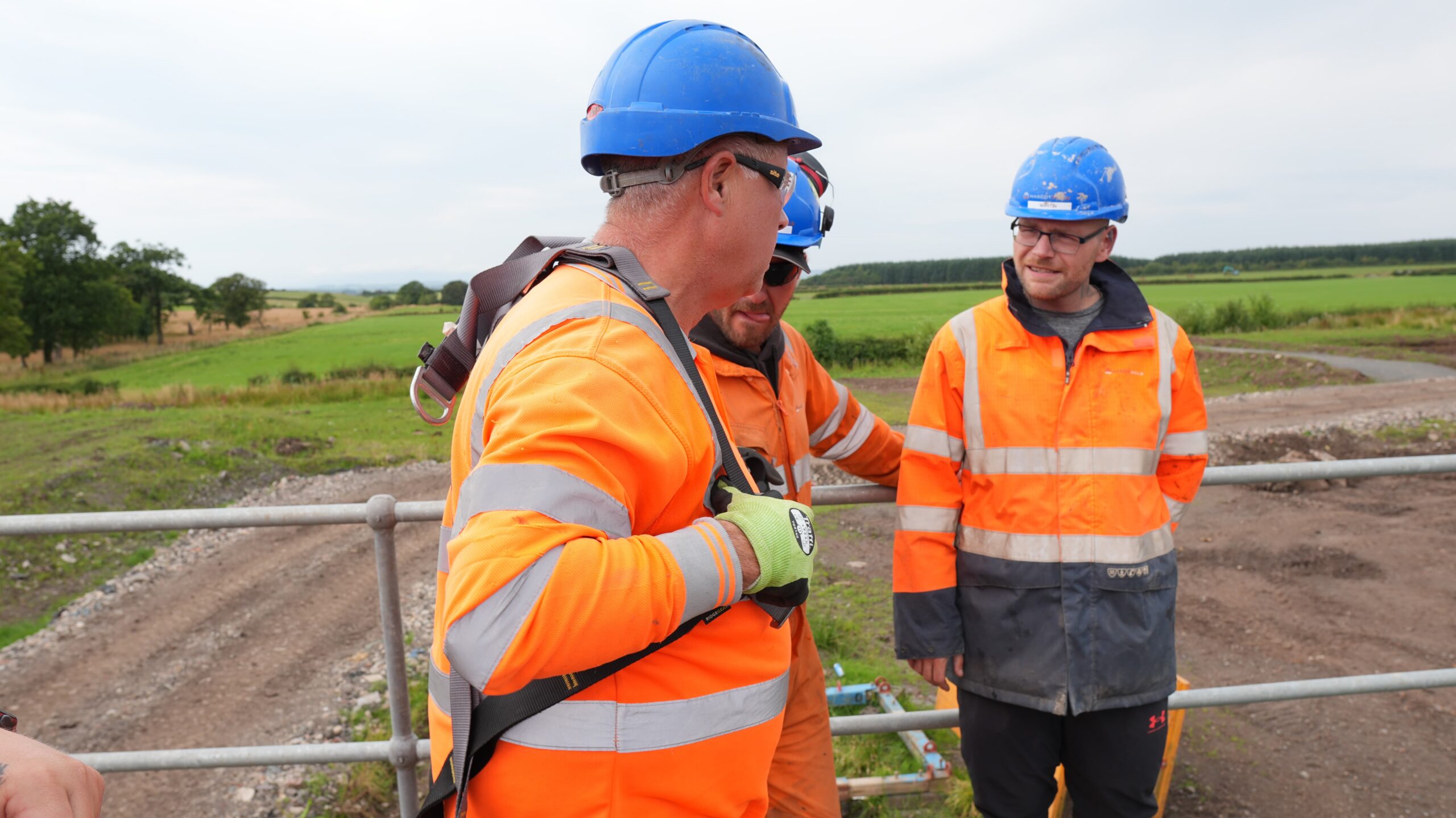
The course is suitable for anyone whose work involves lifting, carrying, pushing, pulling, moving or supporting loads, including employees, supervisors and managers. It is suitable for both new and existing employees requiring manual handling awareness or refresher training.
What you will learn?
- Understanding the risks associated with manual handling in the workplace
- Identifying common manual handling hazards and assessing associated risks
- Applying safe lifting, lowering, pushing, pulling and carrying techniques
- Assessing the weight, size, shape and stability of loads before handling
- Planning manual handling tasks before carrying them out
- Understanding how the working environment, floor conditions, space and access affect manual handling
- Identifying when mechanical aids or assistance from others should be used
- Understanding how poor manual handling techniques can affect the back, muscles and joints
- Understanding employer and employee responsibilities for safe manual handling
- Applying safe working practices to reduce the risk of manual handling injuries
- Understanding the structure and function of the spine and intervertebral discs
- Recognising the effects of static loading on the body
- Identifying and controlling risks associated with team lifting
- Undertaking formal and dynamic risk assessments
- Applying safe manual handling principles and techniques in practice
Teaching and Assessment
Training covers manual handling legislation and guidance, common injuries and their causes, risk assessment and the TILE principles – Task, Individual, Load and Environment. Delegates also learn safe lifting and lowering, pushing and pulling, carrying, team lifting and the use of mechanical handling aids. Practical manual handling exercises are included.
What you get once complete.
On successful completion, delegates will receive a Manual Handling training certificate.